
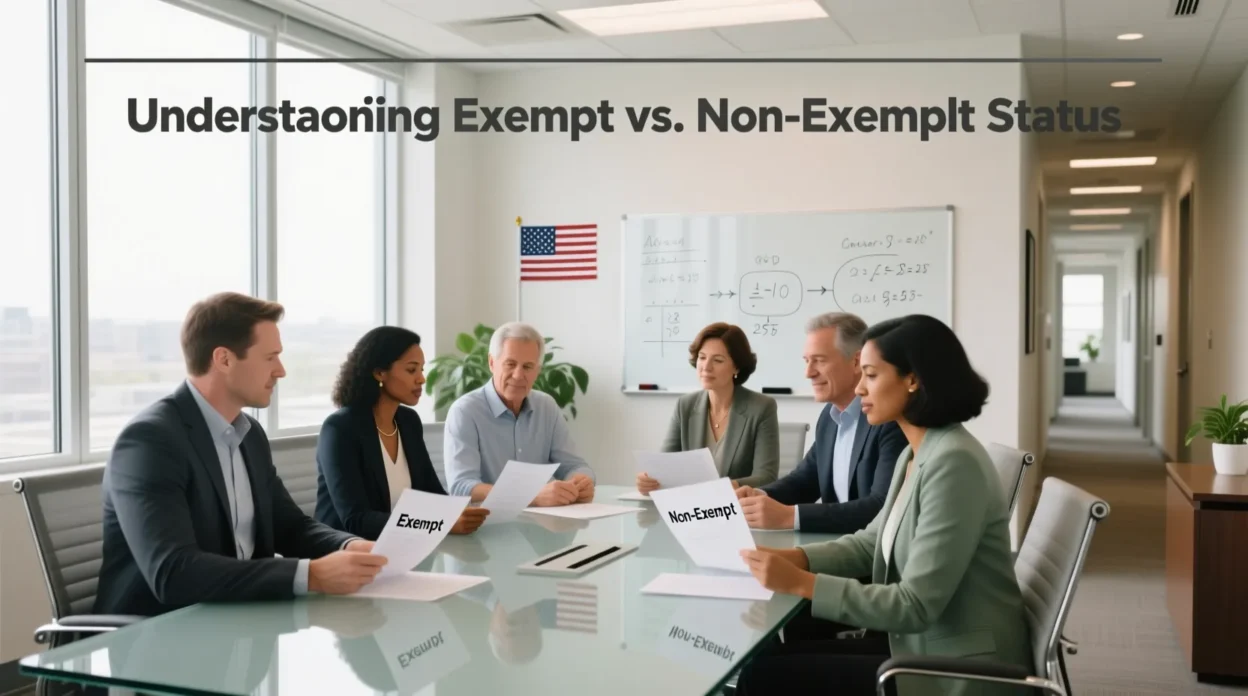
You’re filling out a form, reading a work policy, or scrolling through a post, and suddenly you see the word “exempt.”
At first glance, it feels serious maybe legal, maybe official and you pause, wondering, “Wait… does this apply to me or not?” 😅
You’re not alone. Many people see exempt in school rules, job descriptions, taxes, or even casual chats and aren’t 100% sure what it really means.
Quick Answer:
Exempt means “free from a rule, duty, or requirement.” It’s a formal and neutral way of saying someone or something does not have to follow a specific rule or obligation.
Let’s break it down in simple, everyday language.
🧠 What Does Exempt Mean?
The word exempt comes from formal English and is not slang, but it’s commonly used in daily life, texts, and official communication.
Exempt means:
- Not required to do something
- Free from a rule, law, payment, or responsibility
- Given a special exception
🔹 Simple example:
“students under 12 are exempt from the fee.”
This means students under 12 do not have to pay the fee.
In short:
Exempt = Free from a rule or requirement = Not required to do something
📱 Where Is Exempt Commonly Used?
Unlike texting slang, excluded appears more often in formal or semi-formal situations, but you may still see it in casual conversations.
📍 Common places you’ll see “exempt”:
- 🏢 Workplace policies & HR documents
- 📚 School rules & exams
- 💰 Taxes & finance
- 📝 Government forms
- 💬 Texts when explaining rules
- 🌐 Online posts or FAQs
🧠 Tone & Style:
- 🔹 Formal
- 🔹 Professional
- 🔹 Neutral
- ❌ Not flirty
- ❌ Not playful slang
It’s totally fine in texts, but it sounds more official than casual.
💬 Examples of Exempt in Conversation
Here are realistic examples showing how people actually use excluded
in everyday chats:
Example 1:
A: “do i have to pay the entry fee?”
B: “nah, staff members are exempt.”
Example 2:
A: “why didn’t she take the exam?”
B: “medical cases are excluded.”
🕓 When to Use and When Not to Use Exempt
✅ When to Use “Exempt”
- Explaining rules or exceptions
- Talking about taxes, fees, or duties
- Work, school, or legal situations
- Giving official clarity
- Answering “do I have to?” questions
❌ When Not to Use “Exempt”
- Flirting or joking
- Casual memes or playful chats
- Emotional conversations
- Informal slang-based texting
If the moment is lighthearted, Excluded may sound too serious.
📊 Context Comparison Table
| Context | Example Phrase | Why It Works |
| Friend Chat | “kids are exempt 😄” | Clear & simple |
| Work Chat | “This role is exempt from overtime.” | Professional |
| School Notice | “Medical cases are exempt.” | Formal clarity |
| “You are exempt from this requirement.” | Official & precise |
🔄 Similar Words or Alternatives
Here are common alternatives to Excluded, depending on tone and situation:
| Word / Phrase | Meaning | When to Use |
| Not required | No obligation | Casual & clear |
| Free from | Released from duty | Semi-formal |
| Excluded | Left out of a rule | Policies & rules |
| Waived | Officially removed | Fees & penalties |
| Exception | Special case | General explanation |
| Not applicable | Doesn’t apply | Forms & emails |
Each alternative fits a slightly different tone, so choose wisely.
❓ FAQs:
❓ Is “exempt” slang?
No. Exempt is a formal English word, commonly used in legal, work, school, and official contexts.
❓ Is exempt positive or negative?
Usually neutral or positive. It often means you’re lucky enough not to follow a rule.
❓ Can exempt be used in texting?
Yes, but it sounds formal. It’s more common when explaining rules than casual chatting.
❓ What’s the opposite of exempt?
Common opposites include:
- Required
- Obligated
- Mandatory
- Subject to
❓ Does exempt mean free?
Not always. It means free from a specific rule, not free in general.
✅ Final Thoughts:
So, what does exempt mean?
Simply put, Excluded means being free from a rule, duty, payment, or requirement.
It’s a clear, formal word used when explaining exceptions especially in work, school, legal, or financial situations.
While it’s not slang or flirty, it’s extremely useful when you want to be precise and professional.
Understanding this word helps you avoid confusion and instantly know whether something applies to you or not.
Next time you see “exempt,” you’ll know exactly what it means and why it matters. ✔️